Associate Prof, University College London
How science and technology make us feel.
Why do technologies that sound like something out of a Black Mirror episode attract such widespread euphoria amongst policymakers and governments? Why do otherwise perfectly rational people believe wild conspiracy theories about mind-controlling nanobots in vaccines? Why has everyone suddenly turned against technology?
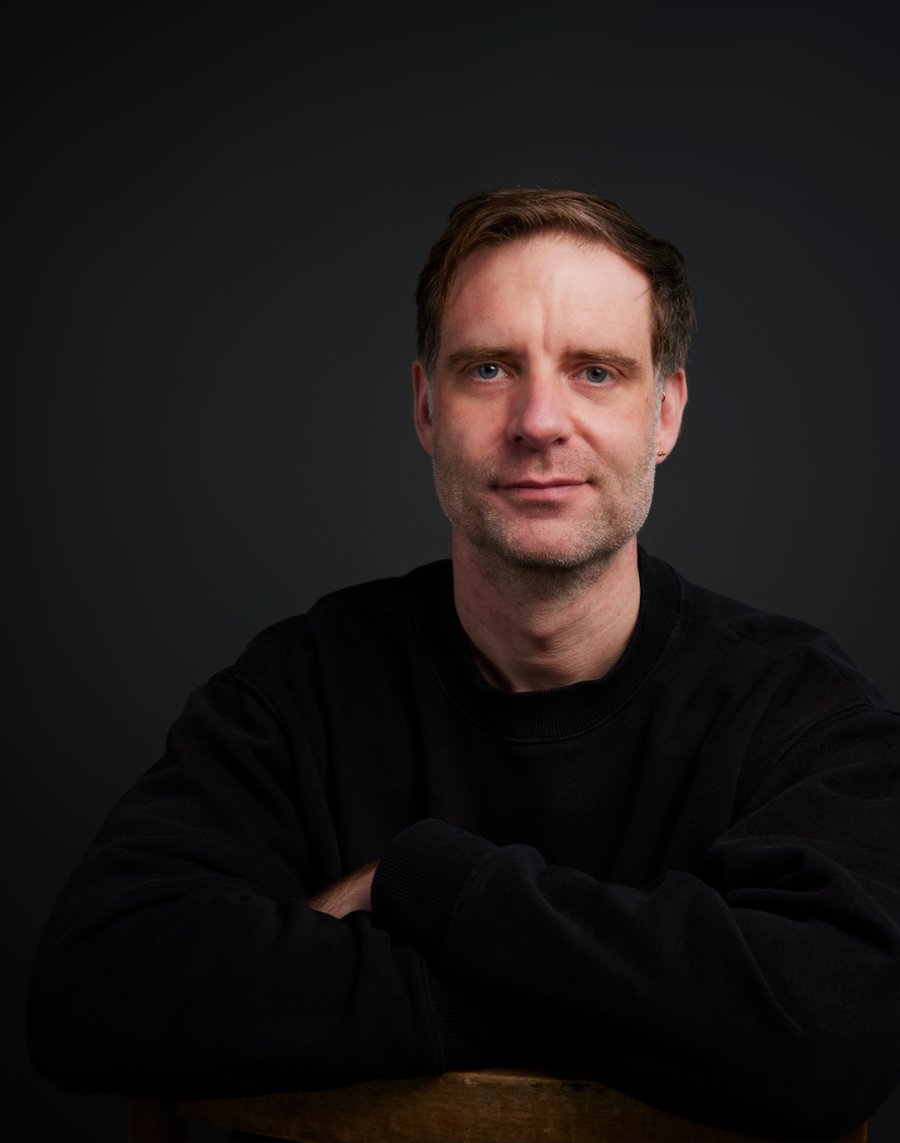
I’m an Associate Professor in Science, Technology and Society at UCL, where I study the emotional, psycho-social aspects of science-society relationships. My research explores the places where these relationships break down – not because people misunderstand science and technology, but because of how they make us feel.
Drawing from interdisciplinary work on affect, primarily psychoanalysis, my research suggests that technology hype constitutes a desperate fantasy to overcome our mortality, the limitations of our bodies, and our dependence on one another. My work on science and technology conspiracy theories indicates that they are, in part, responses to those omnipotent fantasies, functioning as emotionally satisfying attempts to make sense of the failed promises of modernity. My research on public trust traces public ambivalence about AI or brain-computer interfaces to wider feelings about a lack of protection or leadership from those in positions of power and authority.
I believe that our collective imaginations about our relationships with science and technology – and what those relationships could be like – are stuck. They are stuck across every level, from individual reflection and public discussion to innovation and governance. We seem to be incapable of imagining an alternative to our current sociotechnical trajectory.
My suggestion is that we are stuck because imagining things differently would mean confronting what these technologies help us to avoid – that we die, that our bodies sicken and age, that we depend on one another for care, and that privately owned technologies are not built for the public good. Each of these things is painful to confront, and technology offers a way of avoiding having to do so. Until we can bear them, we will keep reaching for magical quick fixes.
My first book, Affect, Emotion and Feeling in Science Communication (Bristol University Press, 2027), makes the case for emotionally mature forms of public engagement that can navigate the affective dimensions of science-society relationships. I am particularly interested in emerging technologies like brain-computer interfaces, AI, and virtual environments.
I am currently a Co-Investigator on Q-BIOMED, where I am extending these ideas to develop experimental forms of engagement and governance in the field of quantum biomedical sensing. I was previously a Co-Investigator on Touchless, a project that developed “touchless” haptic interfaces. There, I focused on responsible innovation, exploring how engineers’ emotional investments in fantasies of digital touch affected their capacity to think ethically.
I also design responsible innovation and public engagement training for industry, government and universities, including the responsible innovation component of Google DeepMind’s free online course, AI Research Foundations.
I am available for media comment, speaking, and consultancy.
Recent paper (open access): ‘Hearts and Minds: The Technopolitical Role of Affect in Sociotechnical Imaginaries’. Social Studies of Science, 2024. doi.org/10.1177/03063127241257489